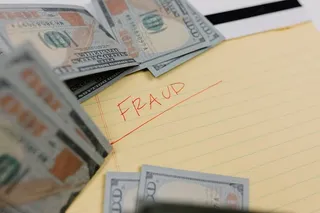

How to Identify a Fraudulent Forex or Crypto Broker
Fraudulent brokers rarely look fraudulent on day one. They look efficient, friendly, and helpful until your account is funded and you ask for money back.
If you trade forex or crypto, you need a repeatable process that protects you before this point.
The Fast Red-Flag Test
When evaluating a broker, check these first:
- guarantees of profits or “low-risk fixed returns”
- pressure calls after first deposit
- refusal to provide clear legal-entity details
- inconsistent answers on withdrawal terms
- social-only support with no formal complaint channel
One red flag may be manageable. Several together usually indicate structural risk.
Verify Regulation the Right Way
Do not rely on badge icons or homepage claims.
Use the regulator’s own register and confirm:
- legal entity name
- approved trading names
- website/domain
- license number and current status
- activities the firm is actually authorized to perform
This protects you from clone scams, where criminals reuse a real firm’s identity with fake contact channels.
Watch the Behavior Around Withdrawals
Deposits are easy everywhere. Reliability appears during withdrawals.
Healthy pattern:
- predictable process
- clear timeline
- transparent verification requirements
High-risk pattern:
- sudden “tax” or “clearance fee” requests
- repeated “one final step” payments
- support asking for additional deposits to unlock existing funds
Never pay extra money to release your own money without independent legal confirmation.
Sales Pressure Is a Data Point
A legitimate broker can market aggressively while still staying compliant. What matters is how they behave under friction.
Be cautious if you see:
- daily pressure calls with emotional language
- resistance when you ask to reduce leverage
- attempts to discourage written communication
- refusal to confirm terms by email
Professional firms document account terms. Scam operations avoid durable records.
Build Your Own Evidence Trail
From the first day, keep:
- screenshots of account and order history
- payment confirmations and wallet addresses
- chat logs and ticket IDs
- timestamps of withdrawal requests
If escalation becomes necessary, this evidence can determine whether your complaint moves quickly or stalls.
What To Do If You Suspect Fraud
- Stop additional deposits immediately.
- Request withdrawal in writing and save the response.
- Contact payment providers fast (bank/card/exchange).
- File complaints with relevant regulators and cybercrime portals.
- Share factual details publicly to warn others.
Do not negotiate endlessly with “account managers” once clear obstruction begins.
2026 Context: Why Vigilance Still Matters
Regulators across major markets continue warning about investment scams driven by social media, messaging apps, and impersonation tactics. Enforcement cases keep confirming the same pattern: operational trust is exploited first, legal recovery comes much later.
Your edge is speed and verification, not optimism.
Broker Option We Use for Comparison
If you want a live broker example to evaluate against the checklist above, start with:
- Fortrade official link: Open Fortrade
- Detailed profile: Read our Fortrade review
Affiliate disclosure: We may receive a commission if you register through partner links, at no extra cost to you.
Final Checklist Before Funding
- Entity verified in official regulator database
- Terms reviewed in writing
- Fees and swaps clearly disclosed
- Complaint channel confirmed
- Test withdrawal completed
If any of these fail, pause. There is always another broker.